 Photograph unavailable offline
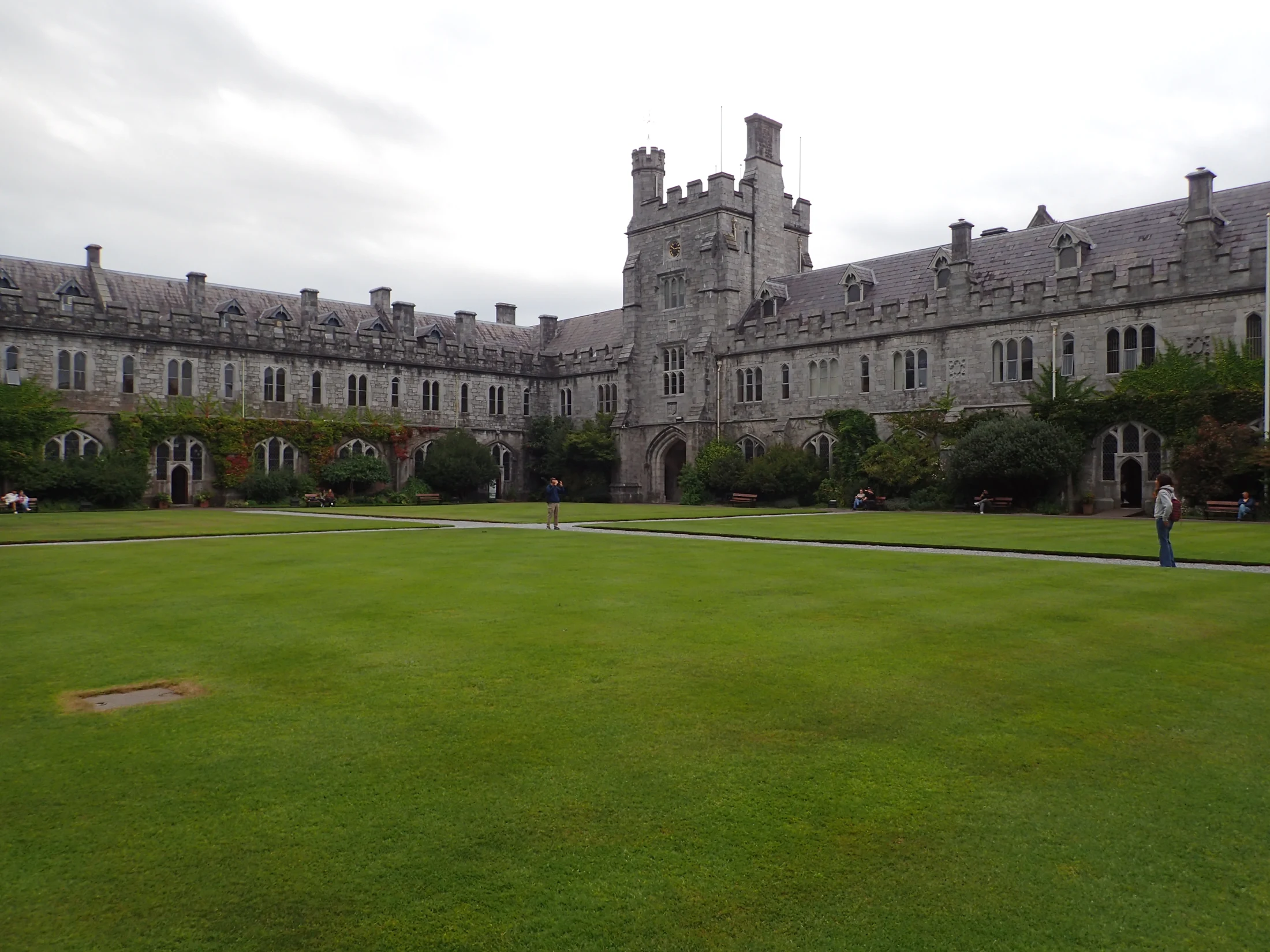
University College Cork quadrangle
Research led by better questions
A school attendance record counts the days a child was there. It leaves another question for the child and their family. What happened on the days they were away? That difference matters to how we do research.
We ask what families carried with them, who taught a craft or remembered a route, and what changed when a stopping place closed. We put those accounts alongside public records and published studies. Sometimes they answer the same question. Sometimes a family remembers something nobody thought to record.
Fields we bring together
- History and archaeology
- Genetics and population history
- Microbiome science and public health
- Psychology, trauma and identity
- Law, public policy and human rights
- Language, folklore and oral knowledge
- Sociology and community development
- Arts, film and public communication

 Photograph unavailable offline
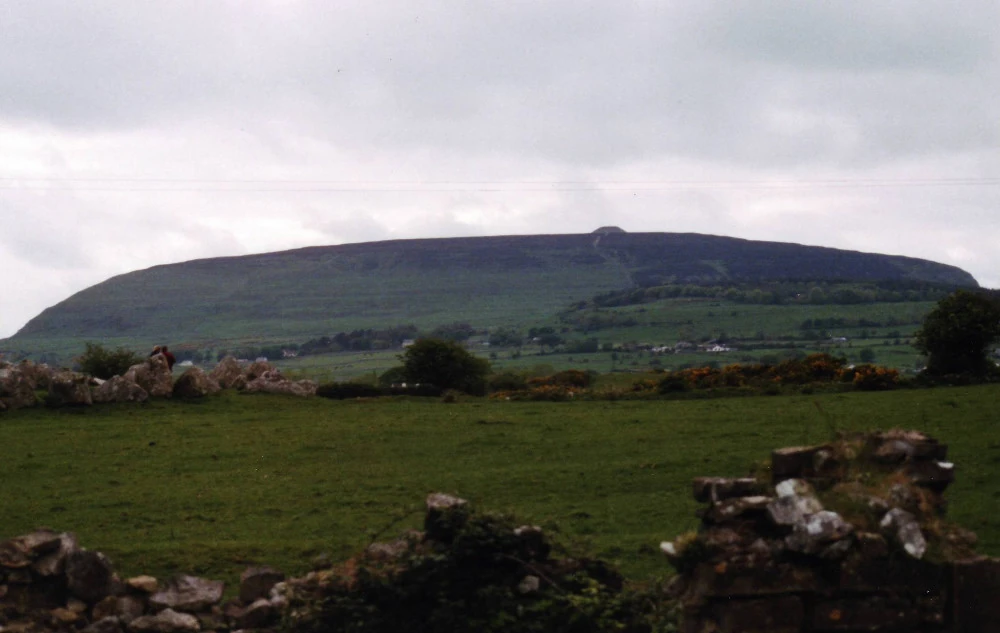
Knocknarea, County Sligo
Our research principles
- Irish Traveller communities should help decide the questions before research begins.
- Participation is not ownership. Communities should also share power over language, interpretation, data and publication.
- Technical findings must be explained in language people can use.
- Research should look for continuity, knowledge and strengths, not only harm and deficit.
- Genetics must never be used to police identity or decide who is Irish Traveller.
- Scientific claims should be careful, open to challenge and clear about what the evidence cannot prove.
- The benefits of research should return to the community.
Working with TraVision
If you are planning a study, bring us the question while there is still time to change it. We want Irish Traveller researchers and families involved in choosing the language, reading the findings and deciding how the work comes back to the community.